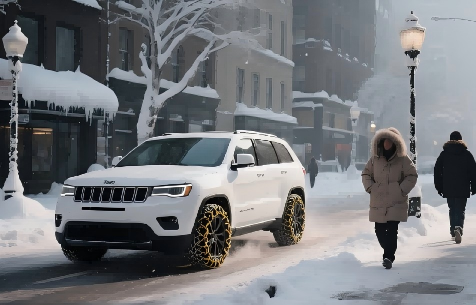
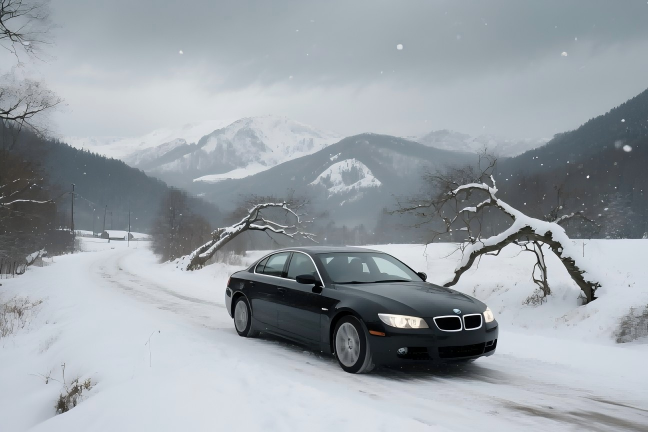
A cold start happens when trying to start a car engine after it's been sitting in freezing weather. The oil thickens, the starter motor needs more power, and the battery must deliver a huge burst of electricity.
Extreme Weather Challenges
Oil problems: At -30°F (-34°C), regular oil can become 10 times thicker, making the engine harder to turn.
Battery issues: Lead-acid batteries may lose 40-50% of their power in cold weather. Even lithium batteries weaken (like LFP batteries keeping only 70% capacity at -4°F/-20°C).
Fuel trouble: Gasoline doesn't vaporize easily when cold, requiring more pressure to start properly.
Real-world examples:
In Alaska or Siberia, drivers often need engine heaters (like Webasto diesel heaters) or battery warmers - even top batteries can fail without them.
Some Nordic countries require battery monitoring systems that automatically turn off non-essential electronics in extreme cold.
Understanding CCA Ratings
What CCA really means: It measures how many amps a 12V battery can deliver at 0°F (-18°C) while staying above 7.2 volts.
Watch out for:
Cheap batteries that claim high CCA but can't maintain voltage (dropping below 7.2V in seconds).
The -18°C test doesn't reflect extreme cold like -40°F/C - check real-world performance data.
Old Battery Limitations
Electrolyte can freeze (though lead-acid battery fluid usually stays liquid below -94°F/-70°C).
New Tech Solutions
Calcium alloy grids reduce power loss and improve cold performance.