



Lithium Battery Fires and How to Store Them Safely
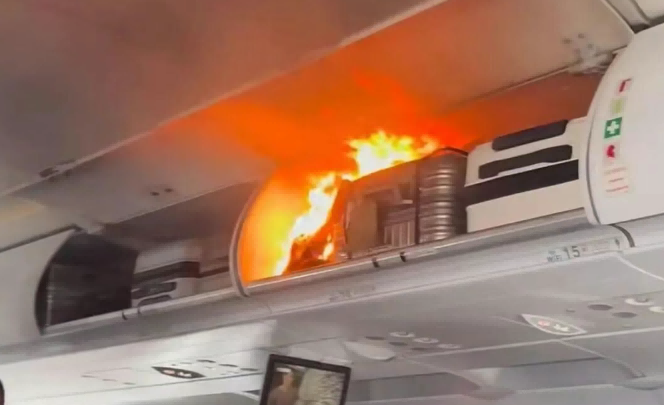
Lithium-ion batteries are everywhere, powering our phones, laptops, and electric vehicles. However, their high energy density means they pose a fire risk, typically caused by thermal runaway. This occurs when a battery heats up too fast and cannot dissipate the heat, leading to rapid, catastrophic failure.
Thermal runaway is usually triggered by physical damage, overcharging, or excessive heat exposure. Once started, temperatures can surge from 90°C to over 1,600°C in seconds. The severity of the fire depends on the battery's internal materials and its state of charge.
The Stages of Catastrophic Failure
Thermal runaway is a progressive process, with different chemical reactions occurring at specific temperature thresholds.
90°C – 125°C: Initial Degradation
The protective solid electrolyte interphase (SEI) breaks down. Reactive battery components contact the liquid electrolyte, releasing initial heat and flammable gases.
125°C – 180°C: Internal Shorting
The separator melts, causing internal short circuits. Cathode materials may start to decompose and release oxygen, accelerating the burn rate.
Above 180°C: Full Runaway
Uncontrolled thermal runaway is achieved, resulting in high heat, intense flames, potential explosions, and the release of highly toxic gases.
Fire Safety and Modern Mitigation
Severity Factors:
- Batteries with high nickel content (e.g., NMC) exhibit faster, more severe thermal spread.
- Lithium Iron Phosphate (LFP) batteries are generally more stable.
- Fully charged batteries release significantly more heat during failure than partially charged ones.
Fighting lithium battery fires is complex; water or regular extinguishers are often ineffective. Special suppressants are required to absorb the massive heat and neutralize toxic gases. Improved sprinkler systems are being developed to reduce fire intensity in large storage facilities and warehouses.
Modern safety relies heavily on technology. Battery Management Systems (BMS) constantly monitor voltage, temperature, and cell swelling to catch issues before runaway occurs. Furthermore, new materials like ceramic-coated separators and the future promise of solid-state electrolytes aim to fundamentally reduce fire risk.
Essential Safe Storage Practices
To maximize battery longevity and drastically reduce the risk of thermal events, follow these key storage protocols:
Temperature Control
Always store batteries below 35°C (95°F). Excessive heat accelerates degradation and increases fire risk.
Optimal Charge State
For long-term storage, maintain a State of Charge (SoC) between 40% and 60%. This reduces stress and minimizes energy released if a failure occurs.
Future advancements, including solid-state batteries and AI-driven monitoring, promise to further enhance safety across the entire lithium-ion ecosystem.